


The History of Perfume
The human utilization of scent in the form of perfumes, colognes, and fragrance of any kind follows a long and rich timeline. Mentions of fragrance exist in recorded history as far back as the Holy Bible (Exodus 30:22-33), and archeologists have uncovered physical perfumeries dating back as far as the Bronze Age on the island of Cyprus.
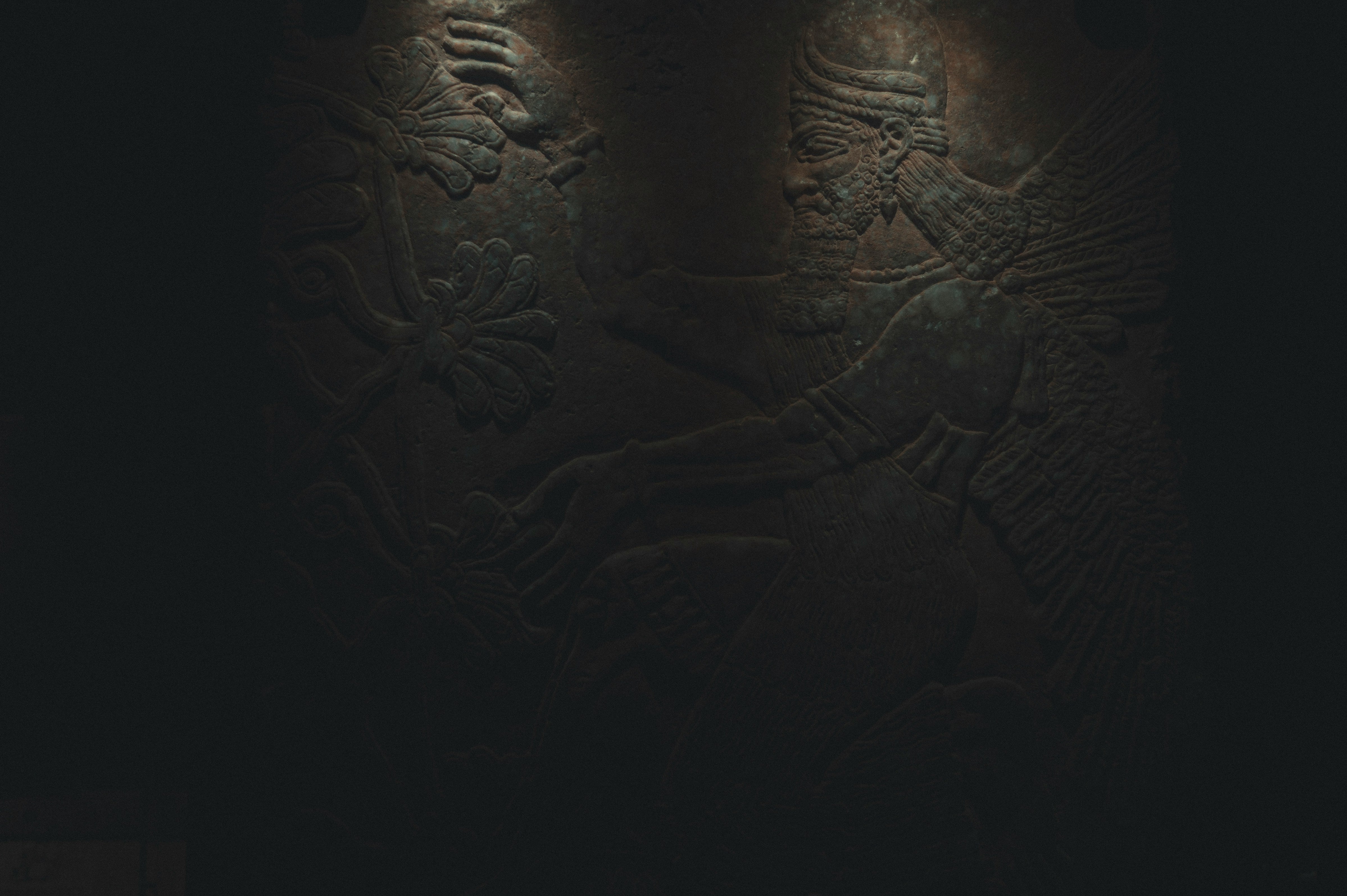
Tapputi, the first recorded “perfumist”, lived in Babylonian Mesopotamia and wrote a treatise on perfume making in 1200 BCE, which has been preserved on a cuneiform clay tablet. Theophrastos, a close colleague of Aristotle, wrote about perfume (On Odours) during the 3rd century BCE in ancient Greece.
While all sorts of aromatic techniques existed, it wasn’t until 14th century Hungary that the alcohol based perfume we know today was born. Primarily made with rosemary and brandy, “Hungary water” as it came to be known was made in 1370 under the command of Queen Elizabeth of Hungary and paved the way for modern perfume to grow in Europe.
Perfume started to prosper in Europe, especially in Renaissance Italy, but it was ultimately France that became the olfactory epicenter of Europe. Grasse, a small town in the southeast of France along the Côte d'Azur gained and maintained the reputation of the perfume capital of the world.
Fragrance continued to grow, especially in France, where in the 18th century Napoleon would order 50 packages of perfume for himself on a monthly basis. By the 19th century, the discovery of synthetic fragrance compounds enabled both more complex and more affordable fragrance production, and marked the birth of the modern fragrance industry.
Throughout the first half of the 20th century the perfume industry became a global giant and high fashion fragrances were a growing desire. Growth didn’t stop, and in the 21st century fragrance became a multi billion dollar industry and growing.
Today, 73 percent of Generation Z wears perfume 3 or more times per week.